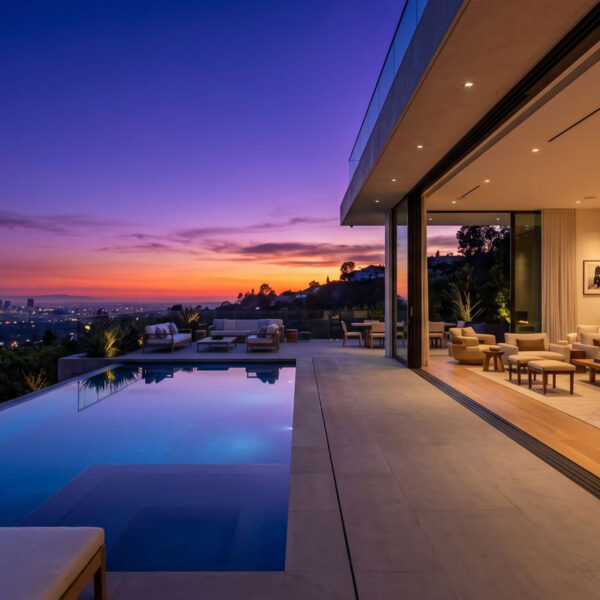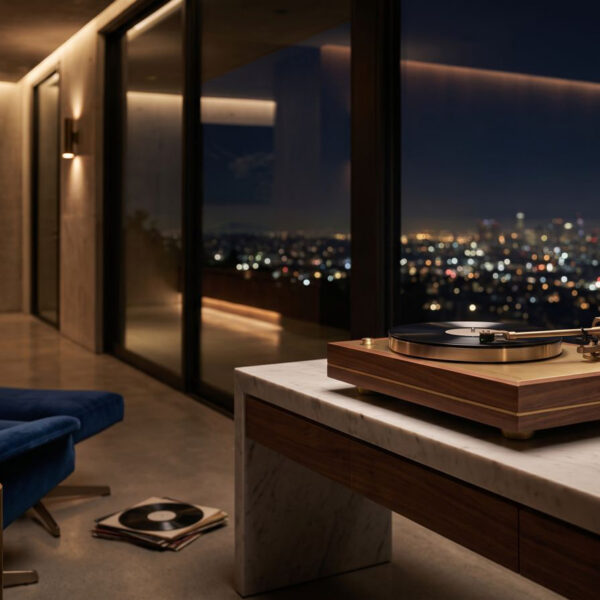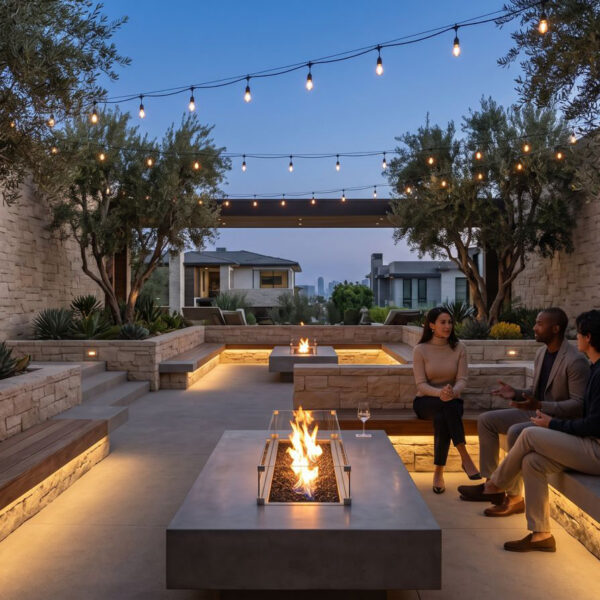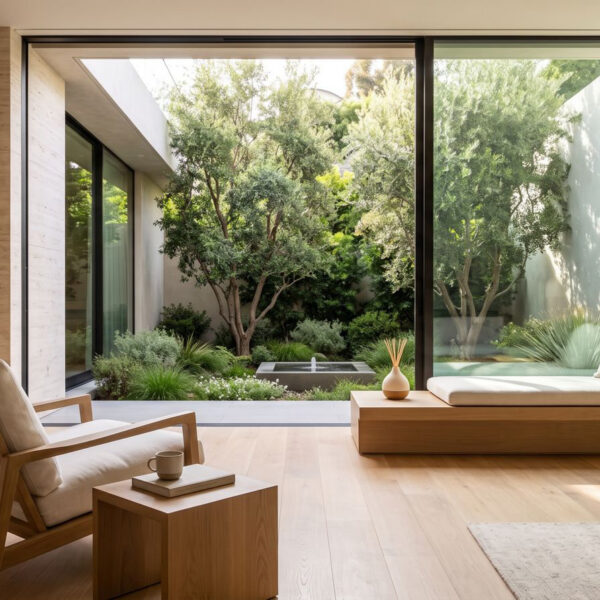

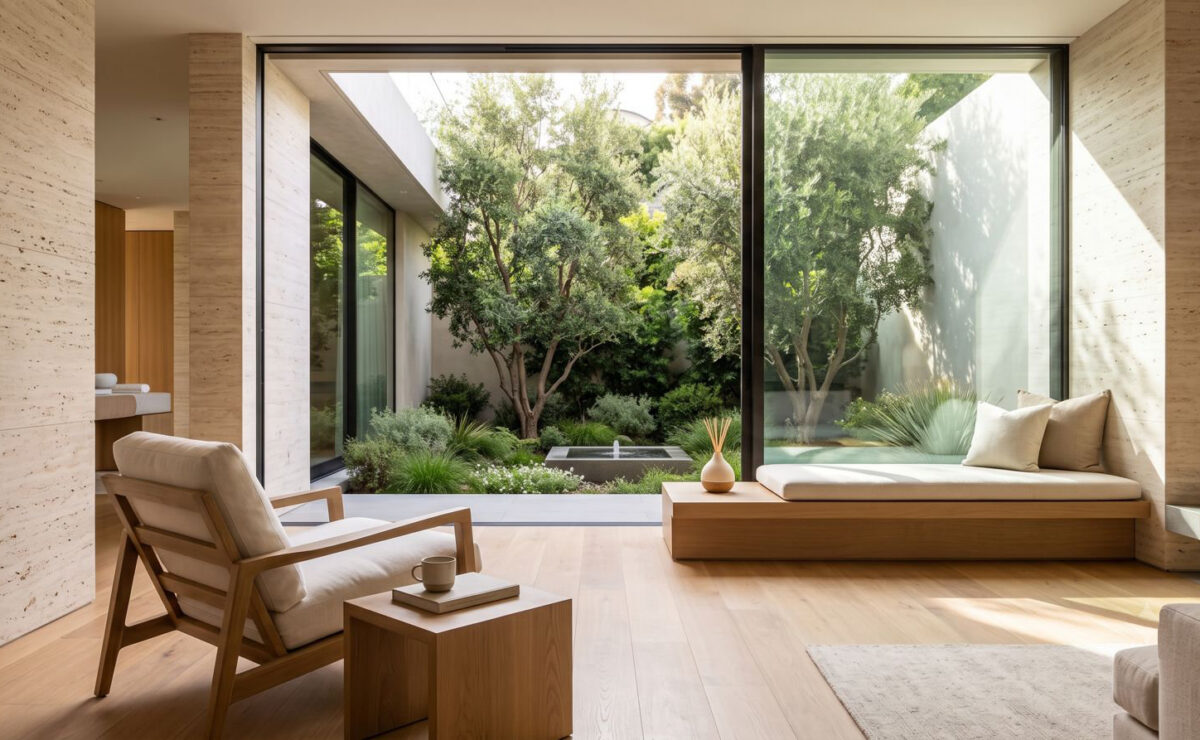
Los Angeles is often described as a city of motion. From early morning traffic on the 405 to the constant hum of creative ambition, life in LA rarely slows down. Yet beneath this energetic rhythm, a quiet shift is taking place. More homeowners and designers are intentionally creating calm, restorative spaces that offer balance against the city’s fast pace.
In 2026, calm living is no longer a luxury concept. It has become a necessity.
The Changing Definition of Luxury in Los Angeles
Luxury in Los Angeles used to be defined by scale, bold architecture, and dramatic statements. Today, that definition is evolving. Modern luxury is less about showing off and more about how a space makes you feel.
Homeowners are now prioritizing:
- Emotional comfort over visual excess
- Soft textures over sharp contrast
- Natural flow over rigid layouts
- Silence and privacy over constant stimulation
This shift reflects a deeper cultural need for grounding in a city that rarely pauses.
Why Calm Spaces Matter More in a High-Speed City
Living in Los Angeles means constant exposure to stimulation. Work, entertainment, traffic, and social activity all compete for attention. Over time, this creates a desire for balance inside the home.
Calm spaces serve as a counterweight to that intensity.
They help residents:
- Reduce mental fatigue
- Improve focus and sleep quality
- Create emotional separation from work and stress
- Reconnect with personal routines
In many ways, the home has become a personal reset environment rather than just a living space.
Design Principles Behind Calm Interiors
Calm spaces are not defined by emptiness. Instead, they are carefully structured environments designed to reduce visual and emotional noise.
1. Soft and Natural Color Palettes
Muted tones such as warm whites, sand, clay, and soft greys are becoming dominant in Los Angeles homes. These colors create a sense of continuity and ease.
2. Organic Materials
Wood, limestone, linen, and brushed plaster are replacing synthetic finishes. These materials introduce texture without overwhelming the senses.
3. Open but Controlled Layouts
Instead of completely open-concept homes, designers are introducing subtle separations that allow flow without chaos.
4. Intentional Lighting
Natural light is prioritized during the day, while warm, layered lighting replaces harsh overhead fixtures at night.
The Role of Minimalism, Reimagined
Minimalism is not disappearing in Los Angeles design. It is simply becoming more human.
Rather than empty spaces, the new approach focuses on:
- Meaningful objects instead of decorative clutter
- Functional comfort instead of strict visual rules
- Personal identity expressed through subtle details
This evolution creates homes that feel lived-in but still visually peaceful.
Indoor-Outdoor Harmony as a Form of Calm
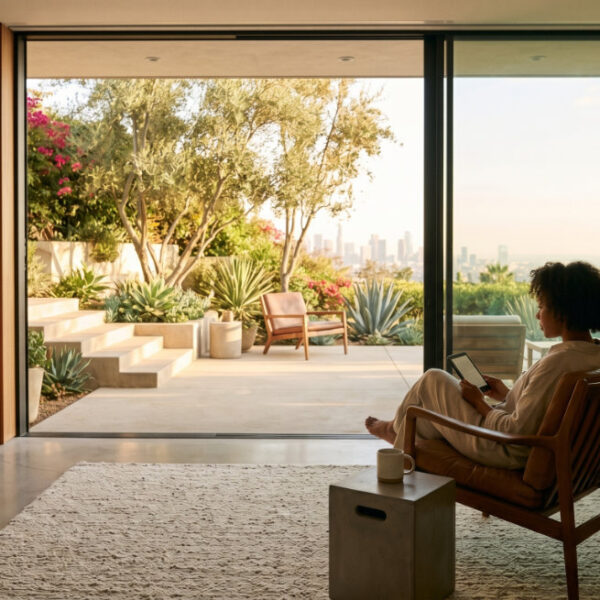
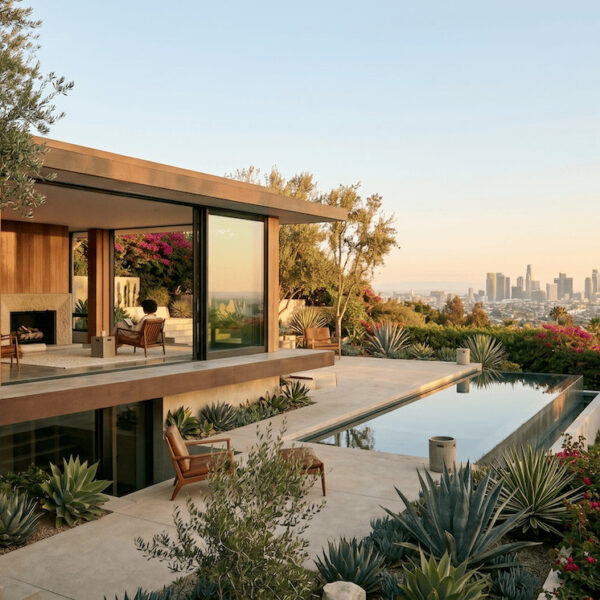
One of the defining characteristics of Los Angeles architecture is its relationship with the outdoors. In calm-focused homes, this connection becomes even more important.
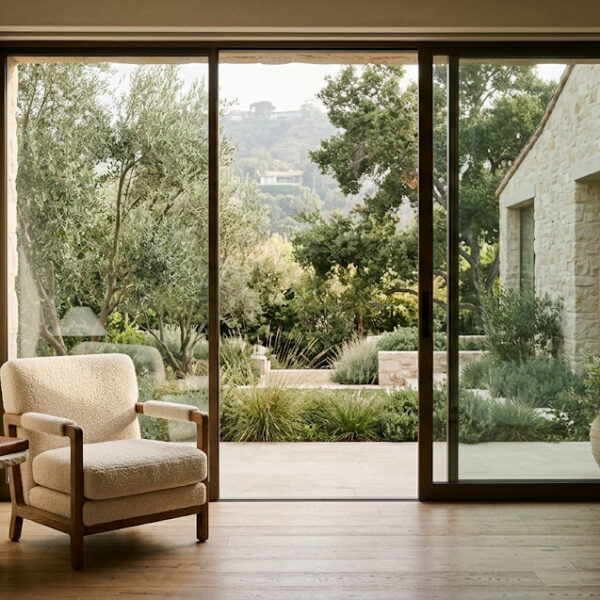
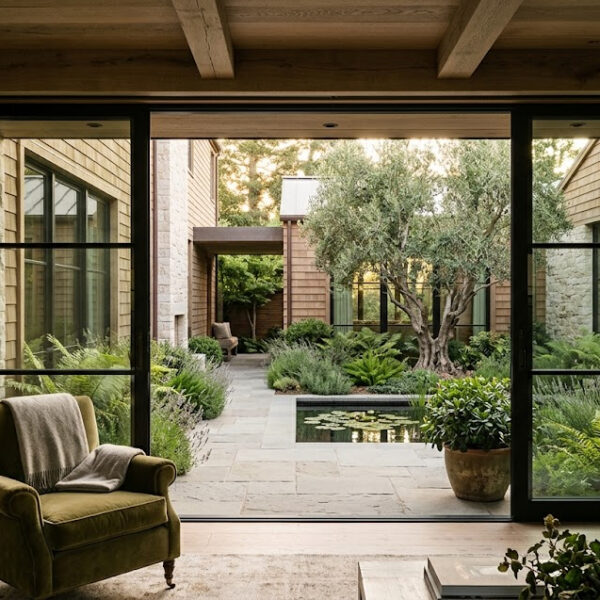
Large glass openings, shaded patios, and transitional living areas blur the boundary between inside and outside. The result is a continuous sense of space and openness that naturally reduces stress.
Even small outdoor corners are being redesigned as:
- Reading areas
- Meditation spaces
- Quiet morning coffee zones
- Minimal garden retreats
Technology and the Quiet Home Experience
While technology is often associated with speed and noise, it is now being adapted to support calm living.
Smart home systems in Los Angeles are increasingly used for:
- Soft ambient lighting control
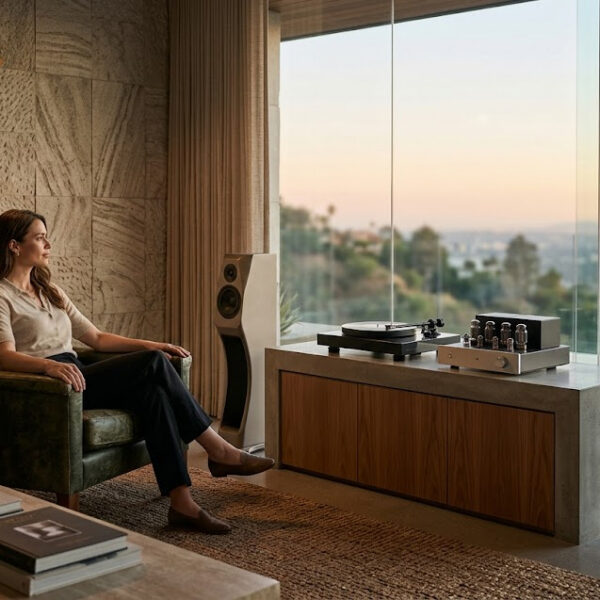
- Sound management and noise reduction
- Temperature optimization for comfort
- Hidden integration of entertainment systems
The goal is not to add more features, but to reduce friction in daily living.
Emotional Design: The New Priority
Perhaps the most important shift in Los Angeles interiors is emotional design. Every choice, from layout to materials, is now guided by how a space feels rather than how it looks in isolation.
A calm home supports:
- Slower mornings
- Clearer thinking
- More intentional routines
- A sense of personal stability
In a city built on ambition and movement, this emotional grounding is becoming one of the most valuable forms of design.
Conclusion
The rise of calm spaces in Los Angeles reflects a broader cultural transformation. As life becomes faster and more connected, the home is becoming the one place where people intentionally disconnect, recharge, and reset.
This is not a design trend that will fade. It is a long-term shift in how people want to live.
Los Angeles is still a city in motion. But inside its homes, calm is quietly taking over.