
Luxury Lifestyle Is Becoming Less About Display and More About Experience
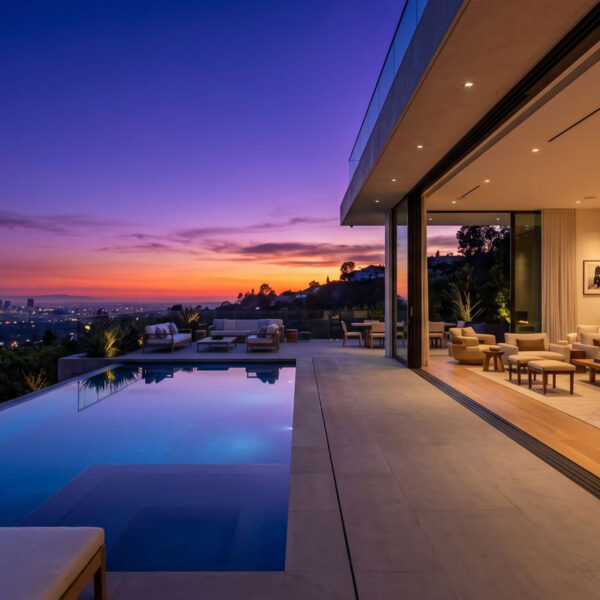
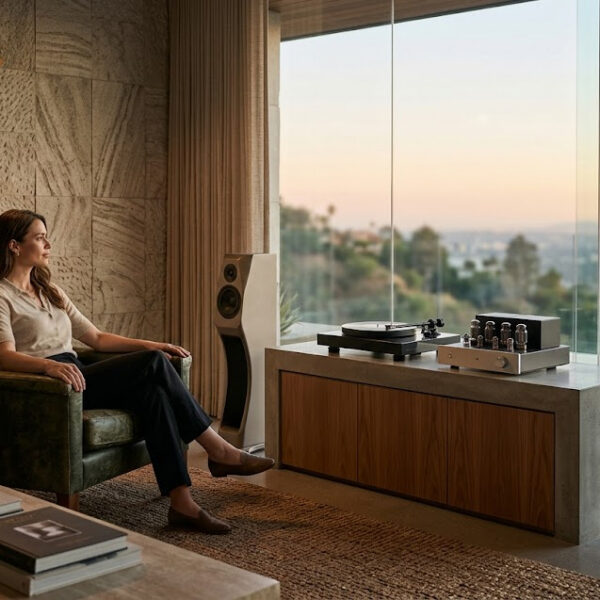
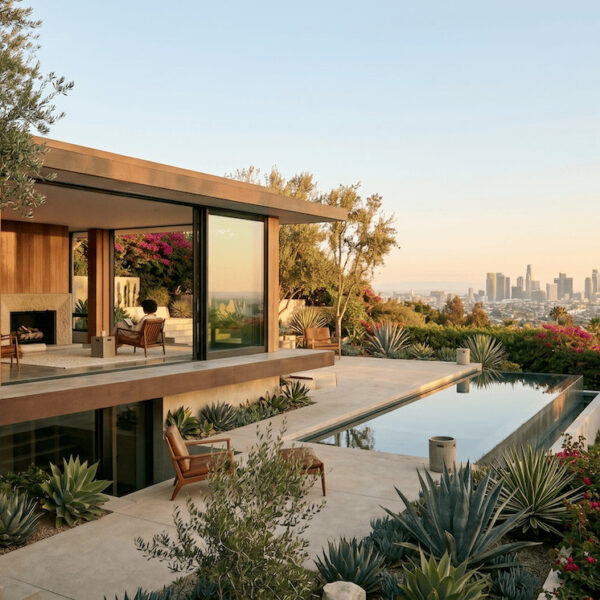
In Los Angeles’ modern lifestyle culture, luxury is no longer defined by how a space is presented to others. It is increasingly shaped by how it supports daily living when no one is watching.
Homes are being designed not as statements, but as environments that respond to routine, mood, and personal rhythm. This shift has changed how people interact with space. Comfort is no longer secondary to design. It is becoming the foundation of it.
Living Spaces That Feel Calm by Design
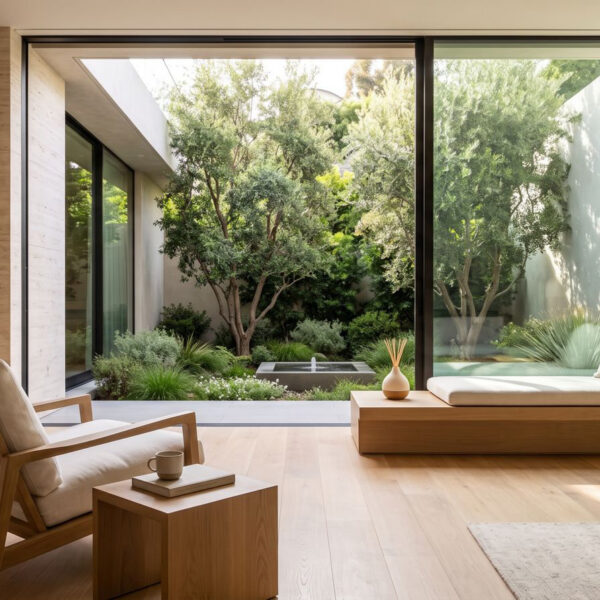
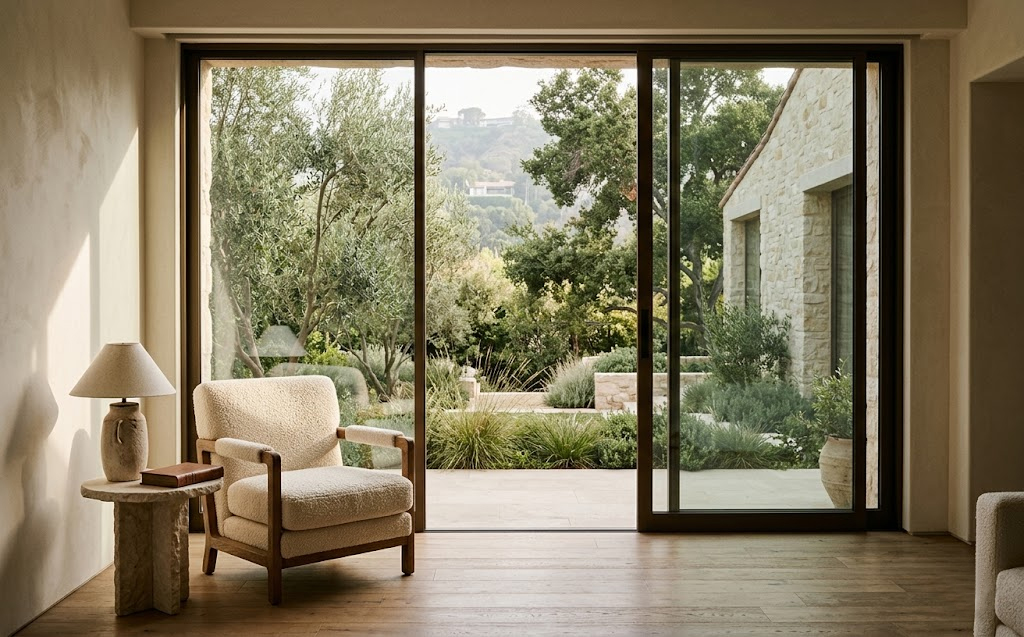
One of the most noticeable changes in luxury interiors is the move toward calm, controlled environments. Large, open rooms are now being balanced with softness in materials, lighting, and layout.
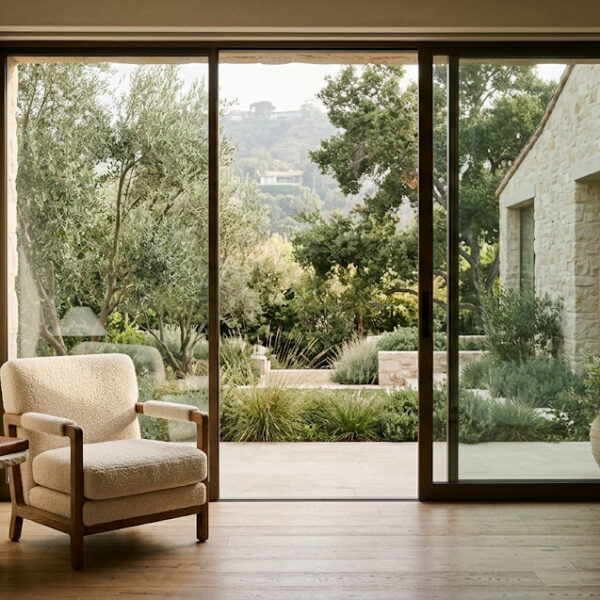
Instead of visually overwhelming spaces, there is a growing preference for interiors that feel steady and grounded. Natural textures, muted palettes, and layered lighting create a sense of ease that supports everyday life without distraction.
This approach allows homes to feel present without being loud.
The Return of Slow Moments at Home
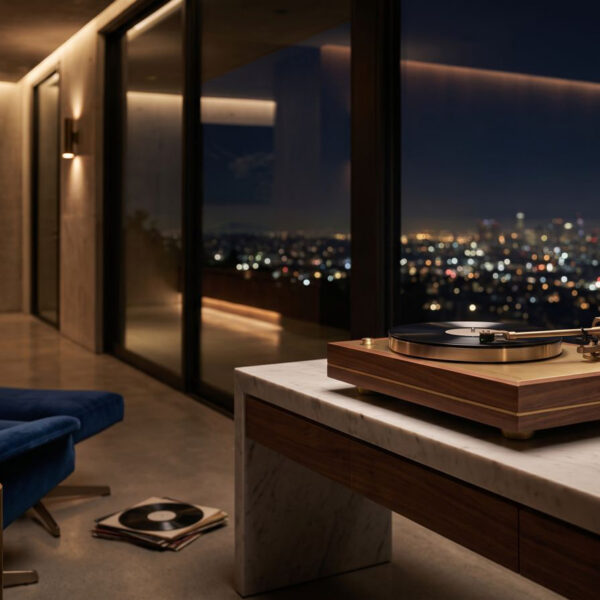
Modern luxury living is increasingly centered around small, intentional moments.
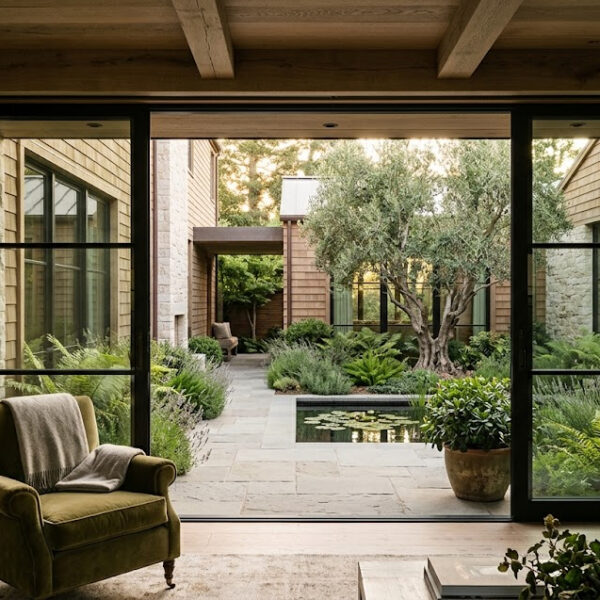
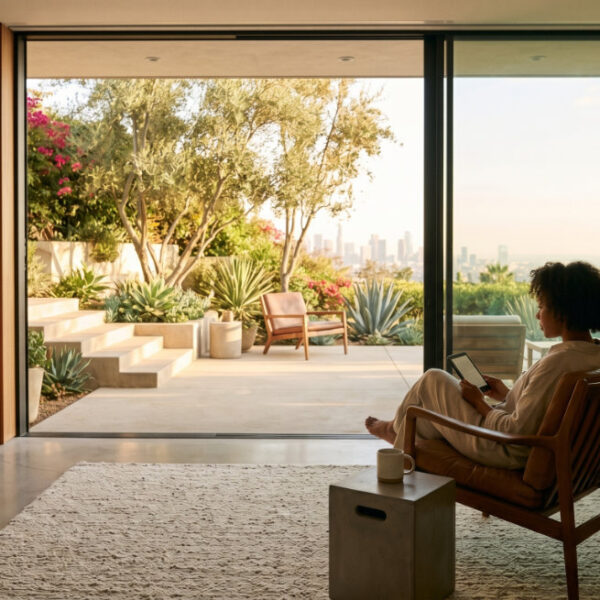
A quiet morning with natural light filtering through open windows. A reading corner that becomes a daily pause between work and rest. A kitchen that is designed not just for cooking, but for gathering without urgency.
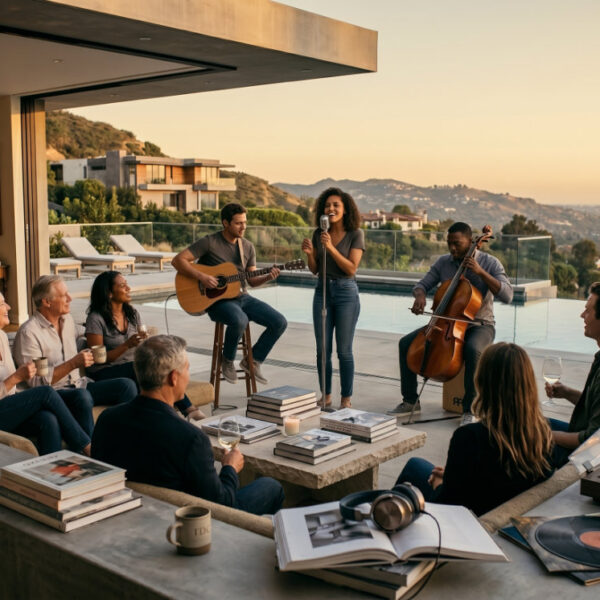
These moments are not designed for attention. They exist as part of a slower rhythm that many modern homeowners are actively seeking.
In this sense, lifestyle becomes less about activity and more about atmosphere.
Interiors That Support Emotional Balance
Design is now being guided by emotional impact as much as visual composition. Homes are being shaped around how they make people feel over time rather than how they appear in a single moment.
Soft lighting replaces harsh contrast. Natural materials replace synthetic finishes. Open layouts are refined to feel less empty and more intentional.
Bedrooms are treated as recovery spaces rather than purely functional rooms. Bathrooms take on a spa-like quality that encourages pause rather than routine completion.
Each space is considered in relation to how it contributes to mental and emotional balance.
The Influence of Boutique Living on Daily Design
Many of these lifestyle shifts are influenced by boutique hospitality environments. Hotels that prioritize atmosphere over size have reshaped expectations for residential design.
This influence appears in subtle ways. Layered textures, sculptural furniture, curated lighting, and simplified layouts all contribute to a sense of lived-in refinement.
The goal is not to replicate a hotel, but to bring its sense of ease and coherence into everyday living.
A More Personal Definition of Luxury
What defines luxury lifestyle today is deeply personal. It is no longer about uniform standards or visible markers of success.
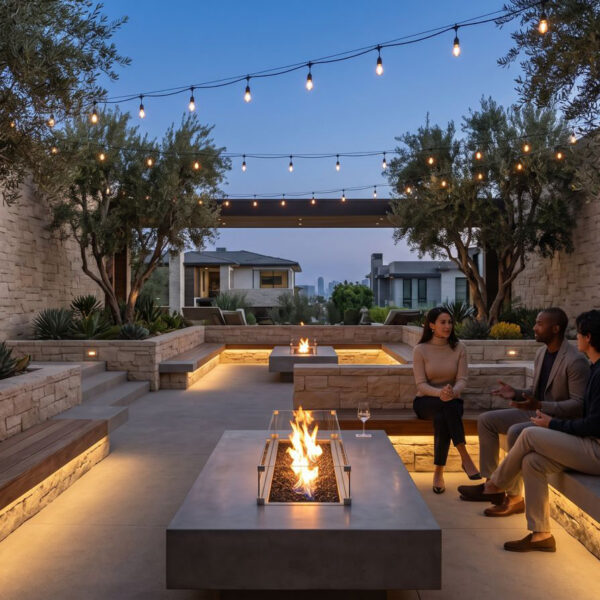
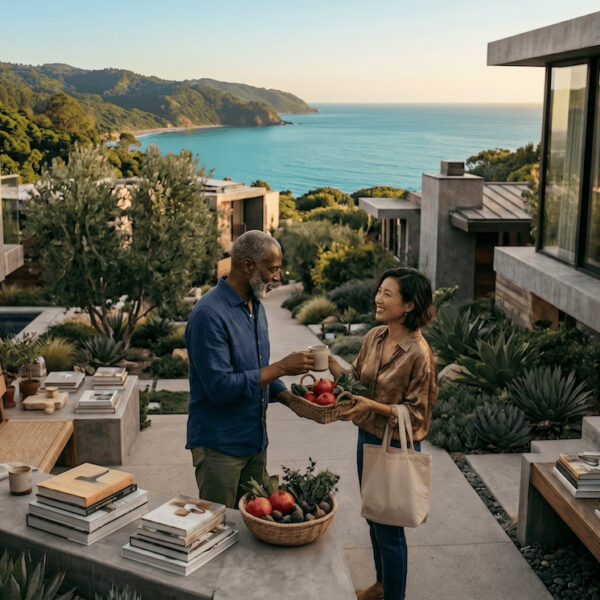
Instead, it is about alignment. How well a home fits into daily rhythm. How naturally it supports rest, focus, and connection. How quietly it enhances life without demanding attention.
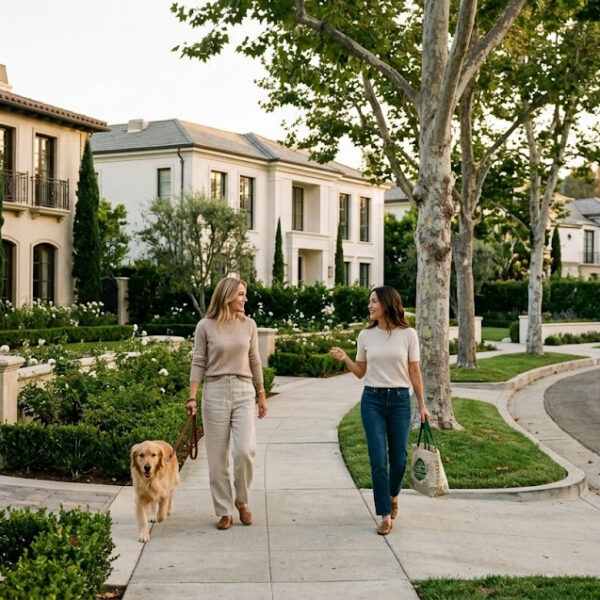
In Los Angeles, this version of lifestyle luxury is becoming more present across homes of every scale. It is less about excess and more about clarity.
The Durkovic View on Modern Living
From a Durkovic perspective, lifestyle is not something added to a home. It is something designed into it.
The most meaningful spaces are those that feel effortless to live in. Where design and daily life are not separate experiences, but part of the same flow.
In this way, modern luxury lifestyle is becoming less about how a home looks, and more about how it holds life over time.