
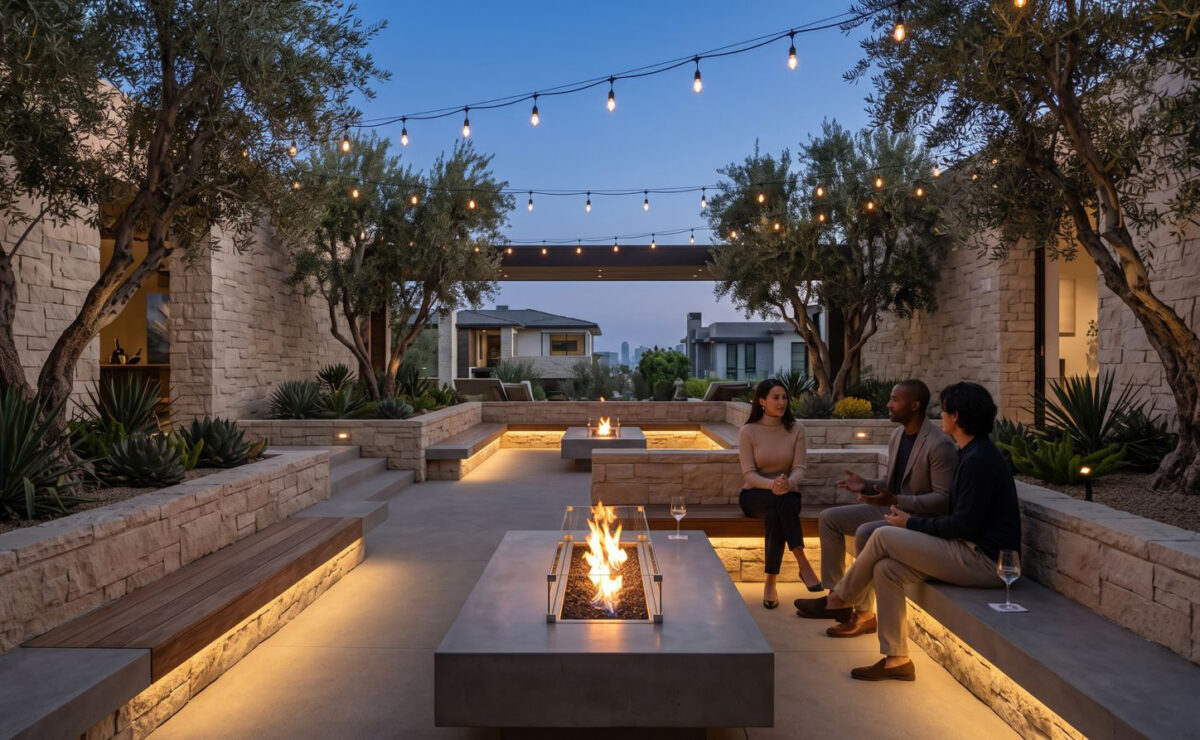
Los Angeles has long been known for its scale, its movement, and its constant reinvention. But beneath the surface of freeways and skylines, something more grounded is taking shape. Across the city, neighborhoods are quietly redefining what it means to feel connected, not just to place, but to people, culture, and daily life.
From walkable streets filled with local cafés to community-driven art spaces and revitalized public areas, Los Angeles is no longer only a city of distance. It is becoming a city of belonging.
A New Era of Neighborhood Identity in Los Angeles
What makes Los Angeles unique today is not just its diversity, but how that diversity is expressed at the neighborhood level. Each area is developing its own rhythm of connection.
Rather than being defined only by geography or real estate value, neighborhoods are increasingly shaped by shared spaces, local culture, and everyday interaction.
This shift is visible in places like:
- Community gardens replacing empty lots
- Independent cafés acting as informal meeting points
- Street art becoming a shared storytelling language
- Local events rebuilding social trust
In many ways, Los Angeles is no longer one city. It is many interconnected micro-communities.
Silver Lake: Creativity as a Social Fabric
Silver Lake has evolved into a hub where creativity and community naturally overlap. It is not just about aesthetics or lifestyle trends, but about shared participation in culture.
The neighborhood thrives on:
- Independent music venues and pop-up performances
- Local design studios and creative collectives
- Walkable streets that encourage spontaneous interaction
- Coffee shops that double as workspaces and meeting points
What makes Silver Lake stand out is its ability to blend individuality with community energy. People do not just live here. They contribute to its identity.
Echo Park: Community Built Around Shared Spaces
Echo Park continues to be one of Los Angeles’s strongest examples of neighborhood-based connection. At its heart is the idea that public space matters.
The lake, parks, and surrounding streets are more than scenic features. They are living rooms for the community.
Here, connection is built through:
- Weekend gatherings in public parks
- Local vendors and street food culture
- Music drifting from open-air events
- Long-standing cultural diversity blending naturally
Echo Park shows how urban density can still feel personal when shared spaces are prioritized.
Venice: Coastal Living with Community Energy
Venice has always been expressive, but its modern identity is more layered than its reputation suggests. Beyond the boardwalk, a deeper sense of community is emerging.
The neighborhood supports connection through:
- Outdoor fitness and wellness culture
- Artists’ spaces and open studios
- Canals and walkways that encourage slow movement
- Local markets that bring residents together regularly
Venice represents a balance between individuality and collective rhythm. It is a place where lifestyle naturally leads to interaction.
Downtown Los Angeles: Reinvention Through Density
Downtown Los Angeles has undergone one of the most visible transformations in the city. Once viewed primarily as a business district, it is now a growing residential and cultural hub.
Connection here is shaped by proximity and shared urban experience.
Key elements include:
- Adaptive reuse of historic buildings into housing
- Growing network of restaurants and social venues
- Cultural institutions and galleries in close walking distance
- Increasing number of mixed-use developments
Downtown LA is proving that density, when designed well, can foster real human interaction rather than isolation.
Koreatown: 24 Hour Culture and Everyday Interaction
Koreatown is one of the most active and socially dense neighborhoods in Los Angeles. Its energy is constant, and its culture is deeply layered.
Connection here is not scheduled. It is continuous.
It thrives through:
- Late-night restaurants and social dining culture
- Karaoke rooms and shared entertainment spaces
- Family-run businesses that anchor the community
- High pedestrian activity at all hours
Koreatown demonstrates how cultural continuity can create strong social bonds in an urban environment.
Highland Park: Heritage and Modern Community Blend
Highland Park is where history and modern identity intersect. As one of Los Angeles’s oldest neighborhoods, it has experienced renewal without losing its character.
Community connection here is shaped by:
- Restored historic architecture
- Local art and music scenes
- Strong neighborhood identity rooted in heritage
- Independent businesses that prioritize local engagement
Highland Park feels grounded. It is a reminder that progress does not require forgetting the past.
Culver City: Designed for Everyday Interaction
Culver City stands out for its intentional urban design. It is one of the few Los Angeles neighborhoods where walkability and planning directly support social interaction.
It encourages connection through:
Public plazas and pedestrian-friendly zones
Film and media culture that attracts creative professionals
Restaurants and cafés designed for lingering
Frequent community events and outdoor programming
Culver City shows how design can shape behavior and strengthen community ties.
Los Feliz: Quiet Streets, Strong Identity
Los Feliz offers a different kind of connection. It is quieter, more residential, and deeply rooted in local identity.
Its sense of belonging comes from:
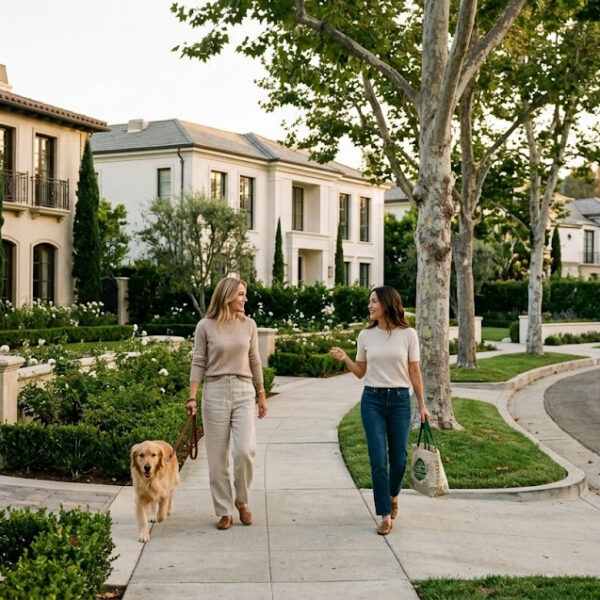
- Tree-lined streets and walkable neighborhoods
- Independent shops and long-standing local businesses
- Proximity to cultural landmarks and parks
- Strong neighborhood continuity over time
Here, connection is not loud. It is consistent and familiar.
West Adams: Cultural Revival and Community Strength
West Adams is one of the most compelling examples of cultural revival in Los Angeles. It is a neighborhood where history, architecture, and community energy converge.
Connection here is built through:
- Restoration of historic homes and spaces
- Emerging creative and entrepreneurial communities
- Strong local pride and neighborhood advocacy
- Increasing cultural visibility without losing authenticity
West Adams reflects how revitalization can strengthen, rather than replace, community identity.
The Common Thread: Belonging in Motion
Across all these neighborhoods, one idea stands out. Connection in Los Angeles is no longer defined by proximity alone. It is defined by participation.
Whether it is through shared public spaces, local culture, or everyday routines, people are actively shaping what belonging looks like.
Los Angeles is not becoming more uniform. It is becoming more connected in its differences.
And in that diversity of experience, a new version of community is emerging.
Conclusion
The story of Los Angeles today is not just about development or change. It is about rediscovery. Neighborhoods are no longer isolated zones on a map. They are evolving ecosystems of connection, identity, and shared life.
As these communities continue to grow, they are not only redefining where people live, but how they belong.