

Life in Los Angeles Rarely Happens Where You Expect It
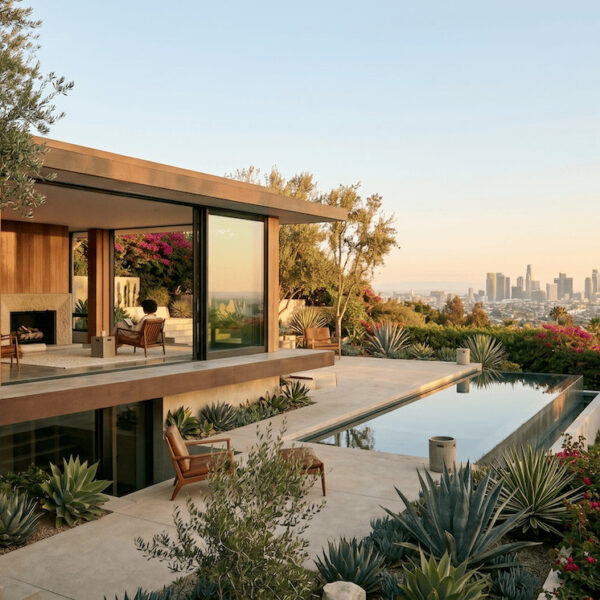
The image of Los Angeles is often shaped by its most visible places. Wide boulevards, skyline views, coastal roads, and architectural landmarks tend to define how the city is seen from the outside. But the actual experience of living here unfolds somewhere else entirely.
It happens on side streets that do not demand attention. In residential pockets where movement is slower, sound is softer, and routines are built around repetition rather than spectacle. These are the spaces where the city feels less like a destination and more like a lived environment.
For many neighborhoods, the real structure of community is not found in landmarks. It is found in everyday proximity.
Where Routine Becomes the Foundation of Community
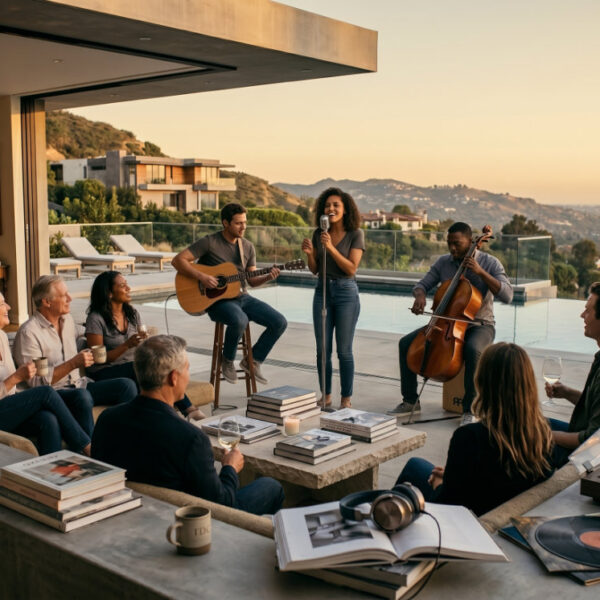
In these quieter streets, community is not created through events or planning. It develops gradually through repeated presence.
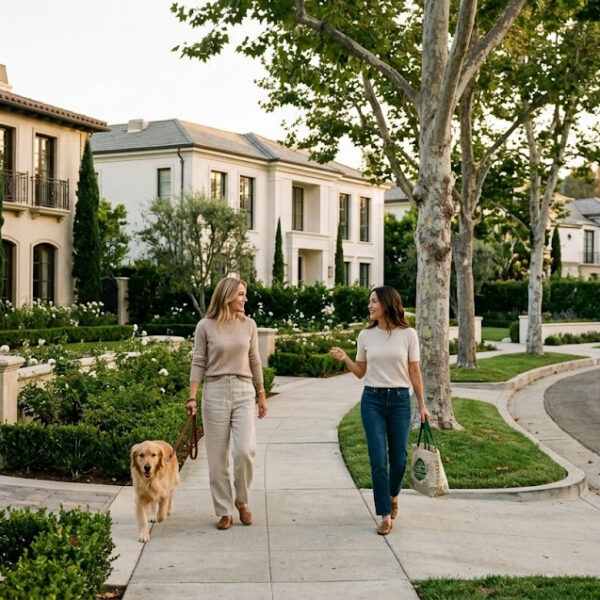
A morning walk often follows the same route. The same coffee shop becomes part of the day without intention. Neighbors begin to appear at similar times, not because of coordination, but because of shared rhythm.
Over time, these patterns create recognition. A familiar face at the corner becomes part of the landscape. A brief greeting turns into a consistent interaction. Nothing about it is forced, yet everything becomes familiar.
This repetition is what slowly builds the structure of neighborhood life in Los Angeles.
The Architecture of Everyday Experience
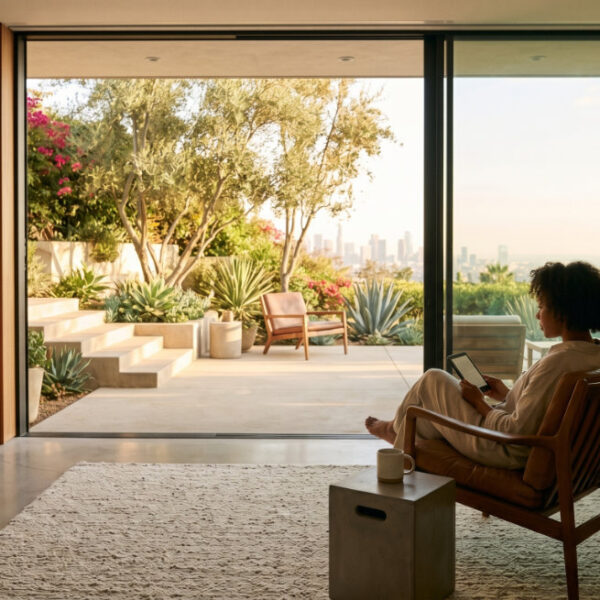
The built environment plays a subtle but important role in shaping this rhythm. Tree-lined sidewalks provide continuity between homes. Low-rise residential design allows light and privacy to coexist. Carefully spaced homes create separation without isolation.
Even the placement of small local businesses contributes to this balance. Corner cafés, independent shops, and neighborhood parks are positioned not as destinations, but as extensions of daily movement.
These elements do not stand out individually. Together, they create a sense of flow that supports everyday living without interruption.
Familiarity Without Formality
One of the most distinctive aspects of Los Angeles neighborhood life is how connection develops without structure.
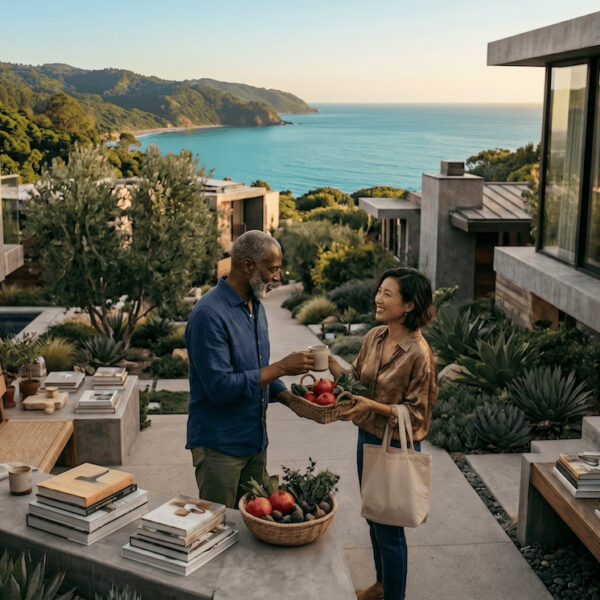
There are no formal introductions needed in most cases. Recognition happens slowly and naturally. A nod replaces a conversation at first. Over time, that becomes a short exchange. Eventually, it becomes part of the expected rhythm of the day.
Parents recognize each other at school pickup points. Walkers become familiar along the same evening routes. Local business owners remember returning visitors without needing reminders.
These interactions are small, but their consistency gives the neighborhood its identity.
A City Built From Micro-Communities
Los Angeles does not function as a single unified environment. It operates as a collection of micro-communities layered across geography.
Each street, block, or pocket develops its own version of rhythm. Some are shaped by families, others by professionals, and others by long-term residents who have seen the area evolve over time.
Even within short distances, the atmosphere can shift. One street may feel active and social, while the next feels quiet and removed. This variation is part of what makes the city feel both fragmented and deeply personal at the same time.
The Subtle Value of Consistency
What makes these side-street communities meaningful is not visibility, but consistency.
Nothing about them is designed to be impressive. Instead, they are designed to function. And over time, that function becomes experience. The same routines, the same paths, and the same small interactions create a sense of stability that does not need to be explained.
In a city that is constantly evolving, this quiet consistency becomes a form of grounding.
Where Durkovic Perspective Meets Everyday Living
From a Durkovic perspective, value in residential environments is not only defined by architecture or location. It is defined by how a place supports life over time.
These side-street communities in Los Angeles represent that idea clearly. They show that the most meaningful environments are not always the most visible ones. They are the ones that allow life to unfold naturally, without interruption or excess.
This is where everyday living and quiet luxury meet — not in presentation, but in permanence.