

A New Outlook on Familiar Spaces
A refreshing home environment doesn’t always require massive renovations or professional design overhauls. Often, the most significant shifts occur through small, intentional adjustments that alter how a room feels and how you personally experience it. A space becomes truly inviting when it reflects comfort, calm, and a natural alignment with the flow of your daily lifestyle. By looking at your surroundings with a fresh perspective, you can identify simple opportunities to rejuvenate your living areas without the stress of a major project.
Letting Natural Light Lead the Way
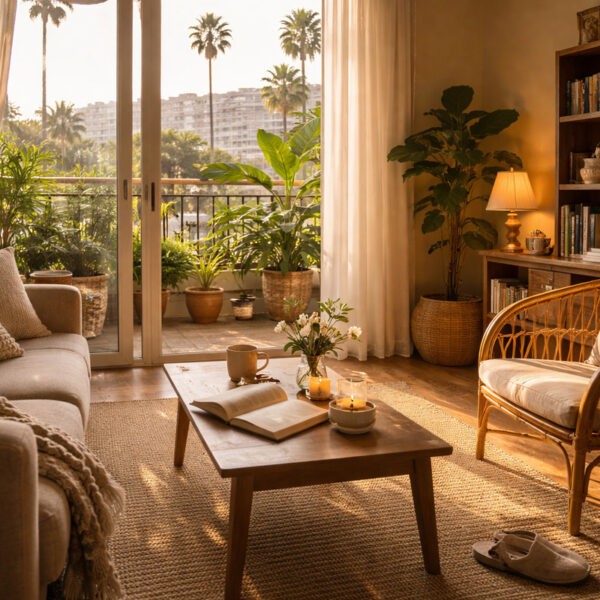
Natural light is a powerful tool for transforming the emotional quality of a home. Opening curtains earlier or choosing lighter, sheer fabrics for window treatments can immediately create a more expansive environment. Soft daylight has a way of lifting the mood and subtly changing how the dimensions of a room are perceived by the eye. Consider rearranging your primary seating to follow the path of the sun throughout the day.
Simplifying What You See Every Day
Visual noise often leads to mental fatigue, even if you don’t realize it. Decluttering a single prominent surface, like a kitchen counter or a coffee table, can change the atmosphere almost instantly. When you organize a corner that has been ignored for months, you reclaim that space for a more intentional purpose. When the eye follows clean lines, the mind feels clearer.
The Impact of Textures and Sensory Touches
The sensory environment of a home is built through layers of texture, scent, and small details that invite touch. Adding a simple woven throw blanket or introducing a natural, earthy scent can bring immediate warmth into a room. These minor additions help a house feel more personal and lived-in. A single well-placed plant can soften hard edges and improve air quality.
Creating Spaces That Support Your Rhythm
A truly refreshing atmosphere is born from an understanding of how you actually move through your life. Whether it is a dedicated reading nook or a quiet corner for morning coffee, these areas create essential pockets of comfort. Designing your home to support these rituals ensures that your environment works for your natural tendencies. When furniture arrangement facilitates a smooth transition from work to rest, the entire home feels balanced.
The Psychology of Seasonal Refreshing
As the seasons change, our internal needs often shift, and our homes should be flexible enough to reflect that transition. Swapping out heavier winter textiles for breathable linens can prevent a space from feeling stagnant. This practice allows you to re-engage with your belongings and appreciate details you might have grown used to. It is an opportunity to bring a sense of “newness” without purchasing anything new.
Functional Elegance in the Details
Sometimes, the most refreshing change is purely functional, such as upgrading a light fixture or replacing old cabinet hardware. These small, tactile points of interaction occur dozens of times a day and subtly influence your daily satisfaction. Choosing materials that feel good—like brushed brass or smooth ceramic—adds a layer of sophistication. When the fixtures you use daily look beautiful, the friction of household tasks begins to disappear.
Restoring Balance Through Symmetry and Scale
Achieving a balanced atmosphere often comes down to the scale of your furniture in relation to the architecture. Moving a large piece away from a high-traffic walkway can instantly make a room feel more breathable and open. Incorporating elements of symmetry, such as matching lamps, creates a visual calmness that settles a busy mind. A home that respects scale and proportion naturally feels more stable.