
The Subtle Influence of Intentional Design
Homes are filled with intricate details that often go entirely unnoticed during a first walkthrough, yet they deeply influence how people actually feel within a space over time. These small elements—the height of a ceiling, the placement of a window, or the choice of a door handle—work silently together to create a sense of harmony, comfort, and belonging. When a home is designed with intention, these subtle factors align to reduce daily friction and promote a lasting sense of peace. It is the cumulative effect of these quiet choices that transforms a standard residential structure into a sanctuary that resonates with its inhabitants.
How Light and Shadow Create Character
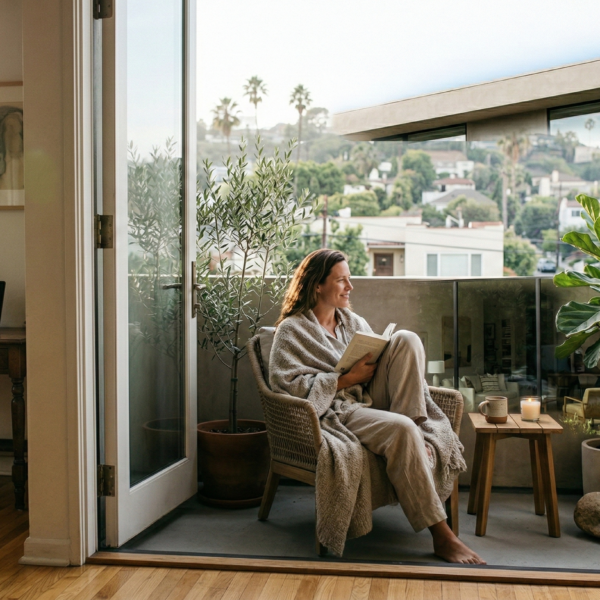
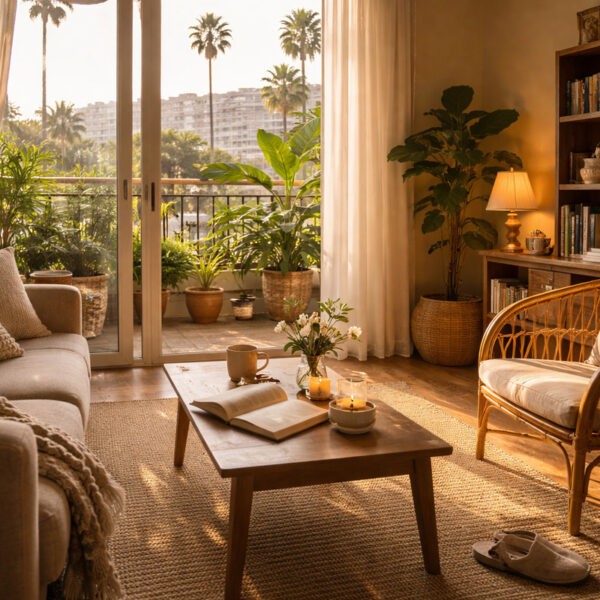
The way sunlight enters a room at different hours of the day is perhaps the most dynamic detail of any residence. Whether it is the sharp morning light cutting through a kitchen window, the dappled shade cast by a mature oak tree outside, or the warm, golden glow of a lamp in the evening, light shapes the emotional quality of every room. These natural shifts throughout the day add a rhythmic, living character to the space that cannot be replicated by artificial fixtures alone. Understanding these patterns allows a homeowner to appreciate how the environment evolves, making the home feel connected to the passing of time and the natural world.
Textures That Ground the Interior Environment
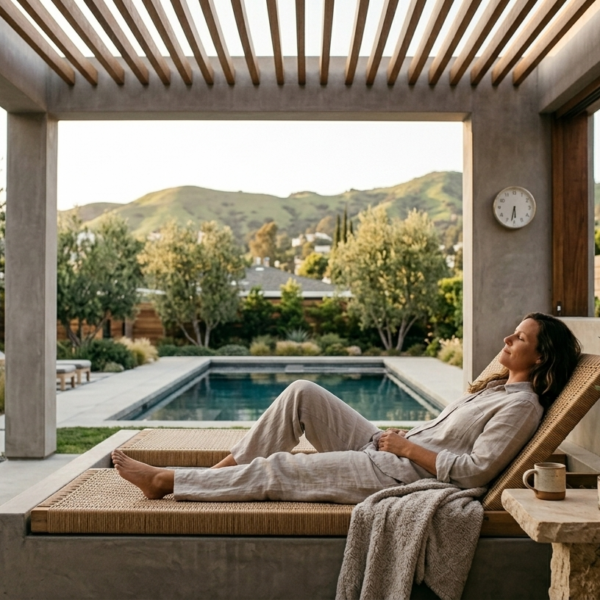
Materiality plays a vital role in how a home is experienced on a tactile level, providing a layer of depth that goes beyond visual aesthetics. Smooth stone surfaces, heavy woven fabrics, and raw natural wood all contribute to the sensory identity of a room, giving it warmth, softness, or architectural structure without the need for bold design changes. These textures ground the environment, offering a physical connection to the space that makes it feel substantial and high-quality. By mixing varied materials, a designer can create a sophisticated atmosphere that invites people to touch and interact with their surroundings, making the home feel more human and approachable.
The Importance of Spatial Flow and Movement
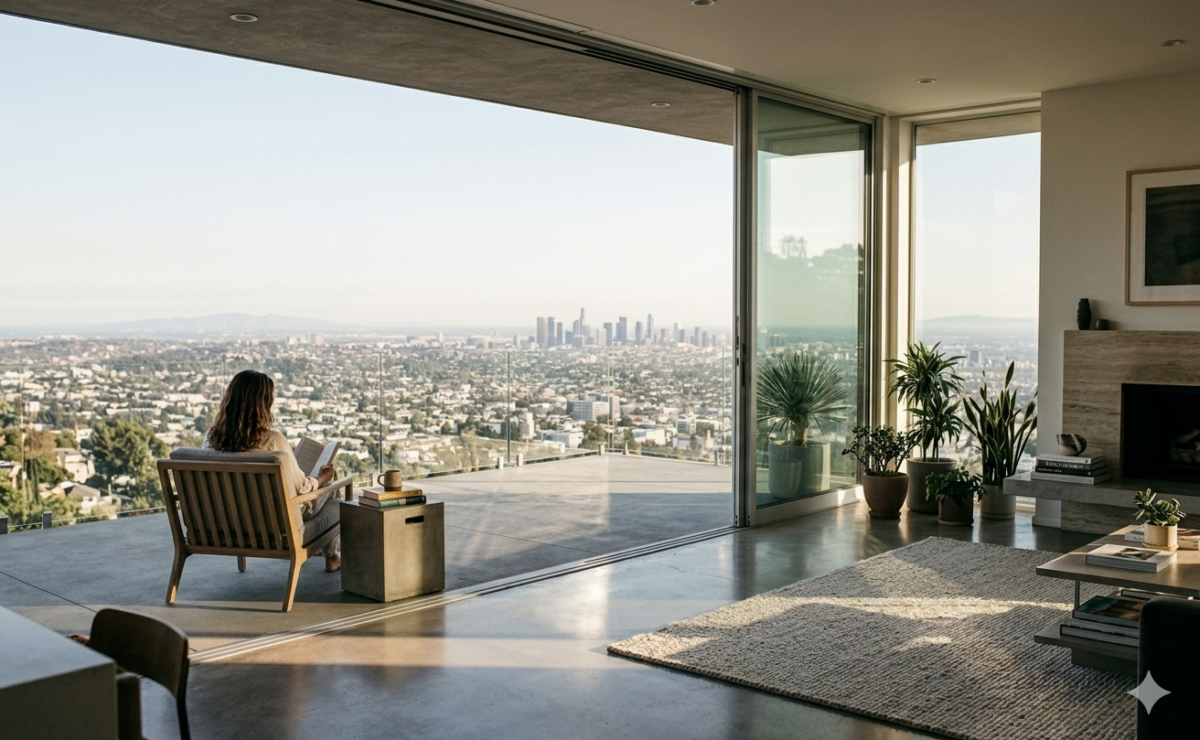
The arrangement of furniture, the width of doorways, and the clarity of walking paths impact daily comfort much more than people realize. When movement through a home feels natural and unhindered, the architecture supports daily activities—like cooking, entertaining, or resting—without constant disruption or a feeling of being cramped. Strategic spatial flow ensures that each room transitions logically into the next, creating a cohesive narrative throughout the property. This sense of openness and ease of movement is what differentiates a well-planned residence from one that feels chaotic or poorly organized, ultimately enhancing the long-term livability of the asset.
Personal Touches That Define a Sense of Place
A house truly becomes a personal space when it is layered with items that reflect the identity and history of the people living within it. Framed photographs, small collections of cherished objects, and curated artwork serve as anchors of familiarity that transform a clean design into a meaningful home. These items represent the “quiet details” of a person’s life, signaling that the space is inhabited and loved. While architectural details provide the foundation, it is these personal artifacts that provide the soul of a residence, creating a unique atmosphere that is impossible to mass-produce or replicate in a showroom.
Finding Balance in the Minimalist Details
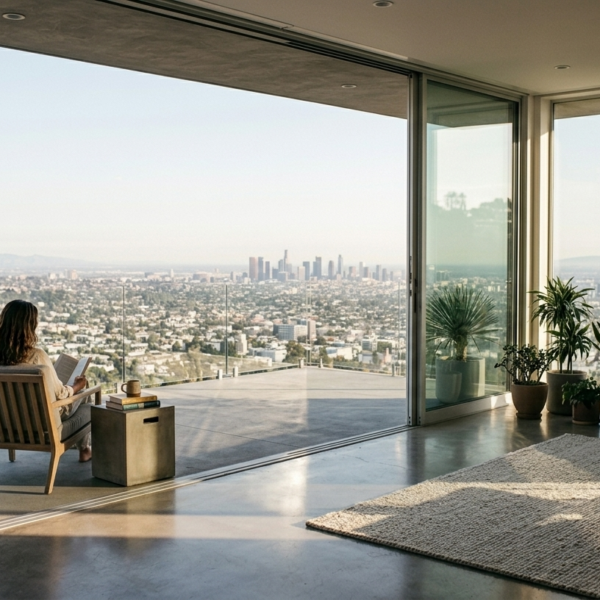
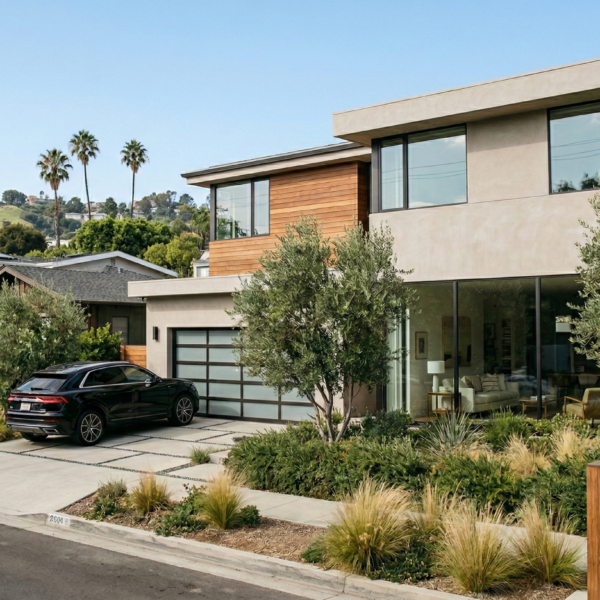
In modern Los Angeles real estate, the trend toward minimalism highlights the importance of every single remaining detail. When a space is stripped of excess, the quality of a baseboard, the texture of a plaster wall, or the finish on a kitchen faucet becomes a focal point of the design. This “quiet luxury” relies on the idea that every element should be both functional and beautiful, serving a clear purpose while contributing to the overall aesthetic. Achieving this balance requires a keen eye for proportion and a commitment to quality over quantity. By focusing on these refined essentials, a home can feel both incredibly modern and timelessly comfortable.